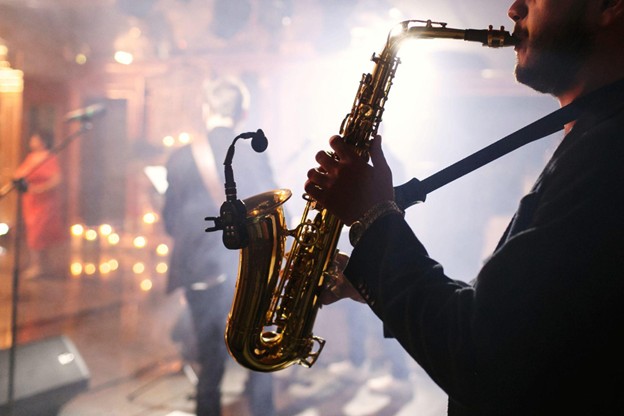
Travel reflections shared through Sam Coquillard often connect two distinctly American traditions: baseball and jazz. At first glance, they occupy different spaces, one unfolding under stadium lights, the other resonating in dimly lit clubs. Yet both rely on rhythm, anticipation, improvisation, and community. Exploring them together reveals a deeper layer of American cultural identity.
Baseball and jazz developed during overlapping periods of American history. Both evolved through regional influence, migration, and shifting social dynamics. To travel across the country visiting iconic ballparks while also experiencing local jazz scenes is to observe how sport and music mirror each other in structure and spirit.
The Character of America’s Historic Ballparks
Major League Baseball stadiums serve as architectural markers of their cities. Some are modern structures designed for scale and spectacle. Others preserve early twentieth-century design, where asymmetrical outfields and narrow concourses tell stories of a different era.
Ballparks such as
- Fenway Park
- Wrigley Field
- Yankee Stadium
illustrate how architecture shapes atmosphere.
Fenway Park’s Green Monster alters gameplay strategy while reinforcing intimacy between fans and the field. Wrigley Field integrates neighborhood rooftops into its visual identity, blurring the line between stadium and city. Yankee Stadium reflects its legacy through monument displays and expansive seating tiers.
Each structure influences how sound travels, how crowds react, and how players adapt. Visiting multiple venues highlights how baseball is experienced differently depending on geography.
Regional Culture Through Sport
While the rules of baseball remain consistent, local traditions vary significantly.
Travelers quickly notice:
- Distinct food offerings tied to regional identity
- Crowd chants that differ in timing and tone
- Pre-game ceremonies reflecting civic pride
- Stadium design shaped by climate and history
In Boston, conversations often center on historic rivalries and past championships. In Chicago, afternoon games feel embedded in the neighborhood’s routine. In New York, the energy frequently carries urgency and scale.
These subtle differences demonstrate how baseball functions as a cultural lens. It reflects how communities see themselves: resilient, competitive, communal, or historic.
Jazz as a Parallel Cultural Thread
Baseball represents structure and pacing, jazz represents improvisation within that structure.
Artists such as Miles Davis and John Coltrane helped shape modern jazz through experimentation and disciplined creativity. Their work demonstrates how defined frameworks can coexist with spontaneous interpretation.
Jazz performances often begin with a recognizable melody before shifting into improvisation. Baseball games unfold inning by inning, yet individual plays often defy prediction.
Common parallels include:
- Strategic pauses that heighten tension
- Individual brilliance within coordinated teamwork
- Gradual build-ups leading to defining moments
- Emotional fluctuations experienced collectively
A pitcher adjusting strategy mid-game resembles a pianist altering tempo during a solo. Both rely on preparation, awareness, and responsiveness.
The Geography of Sound and Stadiums
Traveling between cities reveals how deeply rooted jazz and baseball are in regional development.
Boston’s music venues often highlight classic standards and academic jazz traditions. Chicago blends blues influence with improvisational experimentation. New York’s clubs, particularly in Manhattan and Brooklyn, have long been centers of modern jazz innovation.
Similarly, ballparks reflect city identity:
- Older industrial cities emphasize historical preservation
- Expanding metropolitan areas incorporate modern amenities
- Coastal cities integrate skyline views into stadium design
Experiencing both sport and music within the same trip reveals how place shapes performance.
Shared Spaces, Shared Emotion
Stadiums and jazz clubs function as communal environments.
They bring together:
- Residents and visitors
- Multiple generations
- Casual attendees and devoted enthusiasts
In both settings, silence plays an important role. A stadium can fall quiet before a decisive pitch. A jazz club can pause collectively before a solo resolves. These shared silences create tension and anticipation.
When release finally arrives a home run, a high note the response is collective. Applause, cheers, and movement ripple outward.
Community is built not only in loud moments but also in synchronized attention.
Rhythm and Time
Baseball is often described as a slow sport, yet its pace creates space for observation. Jazz similarly unfolds at deliberate tempos, encouraging listeners to focus on nuance.
Travel centered on these experiences fosters attentiveness:
- Watching defensive positioning shift between pitches
- Listening to subtle tonal changes within a trumpet solo
- Observing how audiences respond to tempo changes
- Noticing architectural details that frame performance
Both baseball and jazz reward patience. Their rhythms differ from fast-paced entertainment. Instead of constant motion, they offer layered progression.
Preservation and Modernization
Historic ballparks and jazz venues face ongoing modernization pressures. Renovations update infrastructure while attempting to preserve identity. Clubs balance contemporary sound systems with traditional ambiance.
The tension between preservation and progress mirrors broader urban development patterns. Cities evolve, but cultural landmarks anchor continuity.
Visitors who attend games at historic stadiums or performances at longstanding jazz venues participate in maintaining those traditions. Presence reinforces relevance.
Cultural Continuity Through Travel
Travel that incorporates both baseball and jazz becomes more than recreation. It becomes an immersion in layered cultural systems.
A day might include:
- Walking through a century-old stadium
- Reading plaques detailing legendary performances
- Exploring the neighborhoods surrounding the venue
- Ending the evening with live music shaped by decades of innovation
Such itineraries connect physical spaces with artistic evolution.
Baseball and jazz, though different in presentation, share foundational characteristics: improvisation within structure, collective experience, and regional influence.
Together, they form part of the American cultural tapestry.
From the crack of a bat echoing through a historic ballpark to the resonance of a saxophone drifting across a crowded room, rhythm defines both journeys.
Traveling through stadiums and soundscapes reveals how deeply embedded these traditions are, not just as entertainment, but as reflections of place, history, and shared identity.