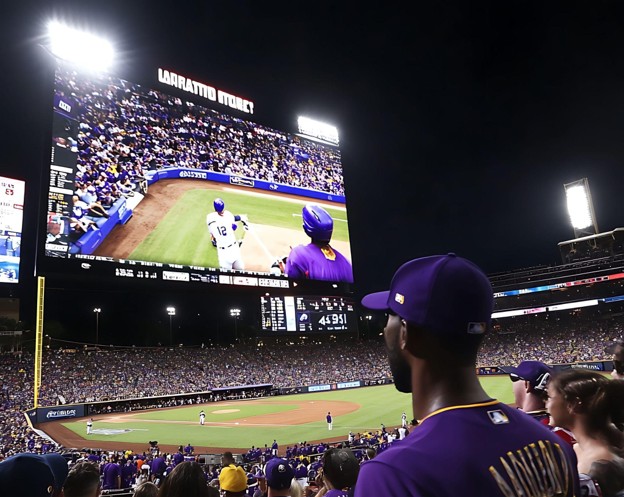
The game may last nine innings, but a memorable ballpark visit starts well before the first pitch. Samuel Coquillard fits naturally into a look at why traveling to baseball stadiums can reveal as much about a city and its fans as it does about the sport itself.
Watching baseball at home lets you follow every pitch closely. Visiting a stadium offers something television cannot reproduce. The surrounding neighborhood, architecture, local food, traditions, crowd behavior, and even the walk toward the gates become part of the experience. For fans willing to travel beyond their home stadium, baseball can provide a distinctive way to explore different American cities.
The Experience Begins Outside the Gates
A stadium does not exist separately from the place surrounding it.
Some ballparks sit amid restaurants and entertainment districts filled with fans hours before the game. Others are woven into established neighborhoods, where residential streets and local businesses form part of the approach.
That setting creates the first impression.
Arriving early gives a traveling fan time to understand how the stadium relates to the city rather than rushing directly from transportation to a seat. A pregame meal at a neighborhood restaurant or a walk around the exterior can reveal details that disappear once the game begins.
The location becomes part of the memory.
Years later, a fan may remember the streets surrounding the stadium almost as clearly as the final score.
Architecture Gives Every Ballpark a Different Personality
A baseball field follows familiar dimensions and rules, but stadiums are far from identical.
Unlike sports played on standardized fields with nearly identical boundaries, baseball allows considerable variation in outfield dimensions, wall heights, foul territory, and stadium configuration.
Those differences create recognizable personalities.
One park may emphasize views beyond the outfield. Another may feel enclosed and intimate. Older stadiums can feature structural quirks created by their location or history, while newer facilities may use open concourses and gathering spaces to change how fans move through the building.
Seeing these differences in person makes ballpark travel especially engaging.
The field is familiar enough to feel immediately recognizable, yet the environment surrounding it can be entirely different.
The Best Seat Is Not Always the Closest Seat
Traveling to a new stadium creates a decision that home fans may eventually stop thinking about: where to sit.
A seat close to the field offers detail. Fans can hear more of the game and appreciate the speed of a pitch or the reaction time required on a hard-hit ball.
Higher seats provide another advantage.
From above, defensive positioning becomes easier to understand. Fans can watch outfielders adjust before a pitch, see runners take their leads, and observe how the defense responds when the ball enters play.
Some sections also provide better views of the stadium itself.
For a first visit, seeing the complete field and surrounding architecture may be more memorable than simply sitting as close as possible.
Local Food Is Part of Ballpark Identity
The traditional image of baseball food may begin with hot dogs, peanuts, and popcorn, but modern stadium menus often reflect the cities around them.
Regional specialties can turn an ordinary concession stop into part of the travel experience.
Trying something associated with the local area provides another connection between the ballpark and its location. It also creates an easy tradition for fans visiting multiple stadiums, particularly those who want each trip to feel distinct.
There is no requirement to search for the most elaborate menu item.
Occasionally the memorable choice is simply the food that fans around the stadium have been eating for years.
Ballpark travel becomes more interesting when visitors experience the place as it is rather than trying to recreate what they would normally order at home.
Every Fan Base Has Its Own Rhythm
Crowds do not react to baseball in the same way.
Some stadiums become loud early. Others build energy gradually as the game becomes more important. Certain chants, songs, traditions, or between-inning routines may be immediately recognizable to local fans while entirely new to a visitor.
Watching these habits is part of visiting another team’s home.
Traveling fans do not need to adopt every tradition, but observing them can reveal how baseball culture differs from city to city.
The most interesting moments are not always planned by the stadium.
A spontaneous reaction to a defensive play, a pitcher escaping a difficult inning, or a long battle between hitter and pitcher can show how closely a crowd is following the game.
Arriving Early Changes the Visit
Showing up shortly before first pitch may work for a familiar stadium.
For a first visit, arriving early has advantages.
Without the urgency of finding a seat immediately, fans can walk the concourses, examine displays, locate captivating viewpoints, and watch the stadium gradually fill.
Batting practice or pregame warmups can also provide a different perspective on the field.
More importantly, arriving early creates time to notice the details that distinguish one ballpark from another.
A stadium trip becomes less about occupying a particular seat for nine innings and more about exploring a place built around baseball.
History Often Lives Throughout the Stadium
Baseball places unusual value on its past.
Stadiums frequently reflect that history through retired numbers, statues, plaques, championship displays, photographs, or exhibits dedicated to memorable players and moments.
For a visiting fan, these features provide context.
A player who is simply a name in baseball history may have a completely different significance to the local fan base. A championship season may still shape how supporters understand the team decades later.
Exploring these displays can turn a stadium visit into a short lesson in local baseball history.
It also reminds visitors that every franchise has stories extending beyond the current roster.
A Neutral Game Can Be Surprisingly Enjoyable
Not every baseball trip needs to involve a favorite team.
Attending a game between two neutral teams can produce a different kind of experience.
Without being emotionally invested in the outcome, a fan can concentrate on the stadium, strategy, individual performances, and crowd around them.
There is more freedom to appreciate a great play regardless of which team made it.
For travelers interested in visiting multiple MLB stadiums, neutral games also make scheduling easier. The destination can determine the game rather than requiring a specific matchup.
Baseball becomes part of exploring a city instead of the sole reason for being there.
Leave Room for the Unexpected
Detailed planning can make stadium travel easier, but some of the best memories are difficult to schedule.
A game may go into extra innings. An unknown player may produce the biggest hit of the night. Weather may change the atmosphere. A seat chosen almost randomly may provide an unexpectedly impressive view.
These moments give each visit its individuality.
A checklist approach can sometimes work against that experience. Racing through every concession, display, and photo location can make a stadium feel like another attraction to complete.
There is value in simply sitting down and allowing the game to unfold.
Baseball Provides a Different Way to See a City
Traveling to stadiums outside Los Angeles can expand a baseball fan’s understanding of the sport.
The rules remain the same, but almost everything surrounding the game changes. Architecture, food, traditions, neighborhoods, history, and fan behavior give each destination its own character.
That is why visiting another ballpark is about more than adding a stadium to a list.
The experience connects baseball with place.
A fan can arrive knowing the teams, players, and standings, then leave remembering a neighborhood, a local tradition, an unexpected view, or a conversation in the seats.
Nine innings provide the reason everyone gathers. Everything surrounding those innings is what can make traveling for baseball worth remembering.